Mexico’s Nearshoring Boom: What It Means for Indian Businesses
By Ravi Kumar | HispanicIndia
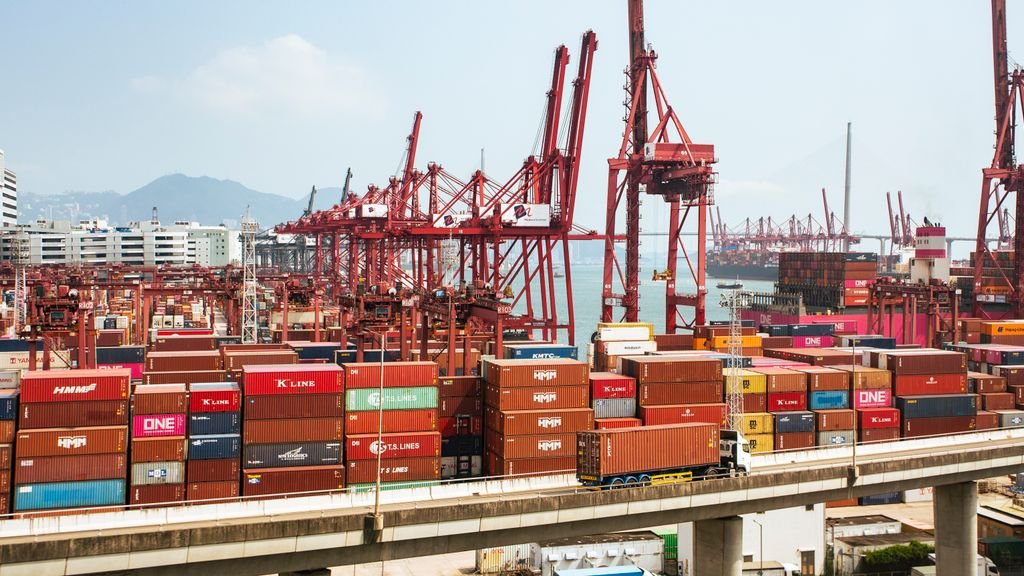
Photo Credit: Pexels
Mexico has overtaken China and Canada to become the United States’ largest trading partner, and the reason is one word: nearshoring. Companies that once made everything in Asia are moving production closer to the US market, and Mexico is the biggest winner. For Indian businesses that sell to North America, or plan to, this shift is not background noise. It changes where factories get built, where supply chains run, and where Indian firms should think about planting a flag.
Why nearshoring is happening
Three forces drive it. Shipping shocks during the pandemic showed how fragile long supply chains are. US-China trade friction keeps tariffs and uncertainty high. And the USMCA trade agreement gives goods made in Mexico preferential access to the US and Canadian markets. The result: billions of dollars of new factories in Mexican states like Nuevo Leon, Coahuila and Queretaro, making cars, electronics, appliances and medical devices.
Where India fits in
Indian companies are already part of this story. Auto-component makers supply the Mexican plants that feed American assembly lines. Indian IT and engineering firms run service centres in Mexico to support clients in US time zones. Pharmaceutical companies use Mexico as a regulatory and distribution base for the Americas. For an Indian exporter, a Mexican footprint now means faster delivery to the US, tariff advantages under USMCA rules of origin, and a hedge against disruptions elsewhere.
What Indian SMEs should watch
Nearshoring is not only for giants. Mexican industrial parks actively court foreign suppliers, and the India-Mexico trade relationship, already worth over ten billion dollars a year, has room to grow in auto parts, chemicals, textiles and food processing. The practical questions for a mid-sized Indian firm are: which Mexican state fits my sector, what do USMCA rules of origin require, and who handles the Spanish-language paperwork, contracts and compliance locally.
The language and culture bridge
This is where the Indo-Hispanic connection becomes concrete. Business with Mexico runs in Spanish, and contracts, permits and labour rules demand accurate translation and cultural fluency. Indian firms that invest early in Spanish-language capability, through trained staff or professional language partners, move faster and make fewer expensive mistakes.
The takeaway
Nearshoring has made Mexico the front door to the US market. Indian businesses that understand the shift early, and build the language and logistics bridges to match, will find the door open.
Keywords: nearshoring Mexico, India Mexico trade, USMCA, Indian companies in Mexico, Mexico US trade partner, supply chain shift, Spanish for business India